
The sight is hard to ignore. You wake up and find strands of hair scattered across your pillow. You step into the shower, and by the time you’re done, your hair has clogged the drain. Getting ready for the day, you catch yourself avoiding the comb, hesitant to even run your fingers through your scalp — afraid of what might come loose.
If this feels familiar, you’re not imagining it. Many people also notice that the thick, full hair of their teenage years looks and feels different by their thirties. The density just isn’t the same. This gradual loss of volume and coverage is called hair thinning, and it’s one of the most common concerns we see at our clinic.
Thinning hair is one of the most common concerns affecting both men and women. While losing 50 to 100 hairs per day is considered normal, persistent hair shedding, widening hair partitions, receding hairlines, or noticeable scalp visibility may indicate an underlying hair disorder that requires medical evaluation.
The good news is that hair thinning is not always permanent. Advances in dermatology have made it possible to identify the underlying cause of hair loss early and recommend treatments that slow progression, stimulate regrowth, and, in suitable candidates, restore permanent hair density.
Whether you are looking for hair loss treatment Kathmandu, considering non-surgical hair loss treatment, or exploring hair transplant Nepal, understanding the root cause of your hair thinning is the first and most important step.
Understanding Hair Thinning
Hair thinning refers to a gradual reduction in hair density. Unlike sudden hair loss, thinning often develops over months or years, making it easy to overlook in its early stages.
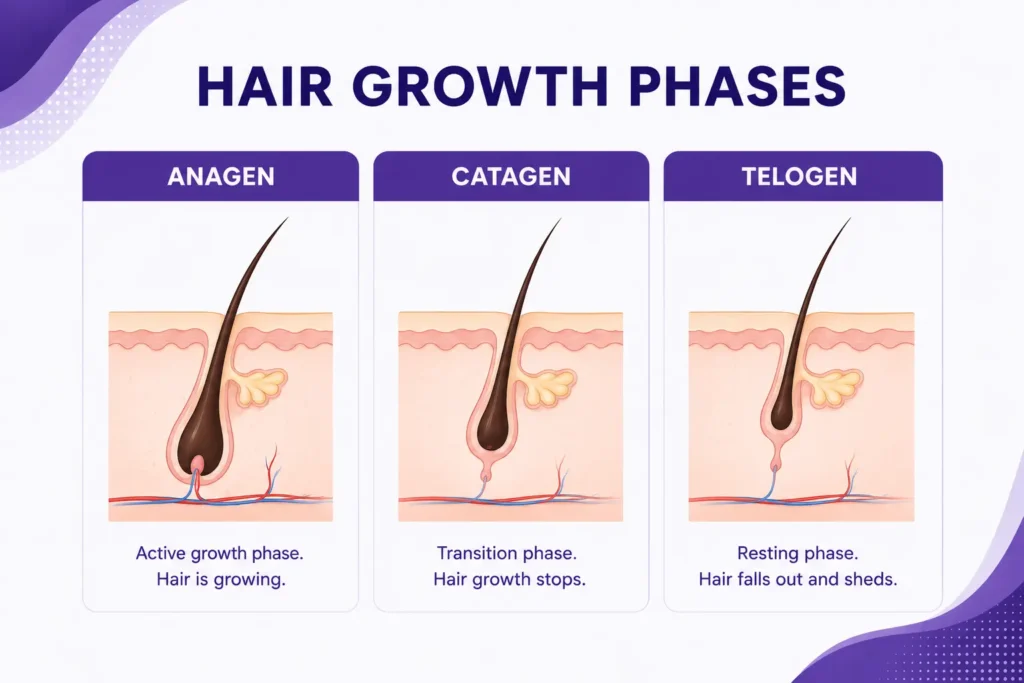
Healthy hair grows in a continuous cycle consisting of three phases:
- Anagen (Growth Phase): Hair actively grows for 2–7 years.
- Catagen (Transition Phase): Growth stops briefly.
- Telogen (Resting Phase): Hair sheds naturally before new hair begins growing.
Disruptions in this cycle can cause excessive shedding, miniaturization of hair follicles, or permanent follicle damage.
Early diagnosis significantly improves treatment outcomes because hair follicles respond better before permanent damage occurs.
Hair thinning can stem from several different sources, including:
- Genetics (Androgenetic Alopecia)
- Telogen Effluvium (stress-induced hair fall)
- Vitamin deficiencies (B12, Iron, D)
- Thyroid problems
- Post-pregnancy hair fall
- Anemia
- Other underlying medical issues
The most common of these, by far, is genetics.
1. Genetic Hair Loss (Androgenetic Alopecia)
The most common cause of thinning hair is hereditary hair loss. Androgenetic Alopecia- genetic hair loss driven by DHT (dihydrotestosterone), and in men it follows a specific, predictable pattern — receding at the temples and thinning at the crown — classified into stages on the Norwood scale.
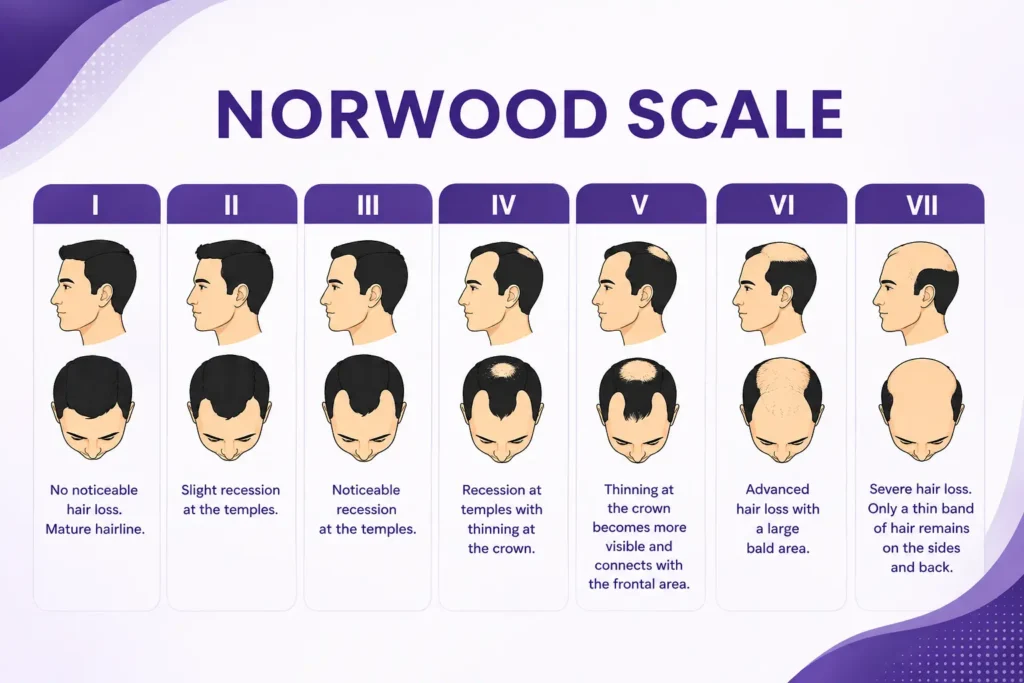
In men, it usually begins with:
- Receding hairline
- Thinning at the crown
- Progressive baldness
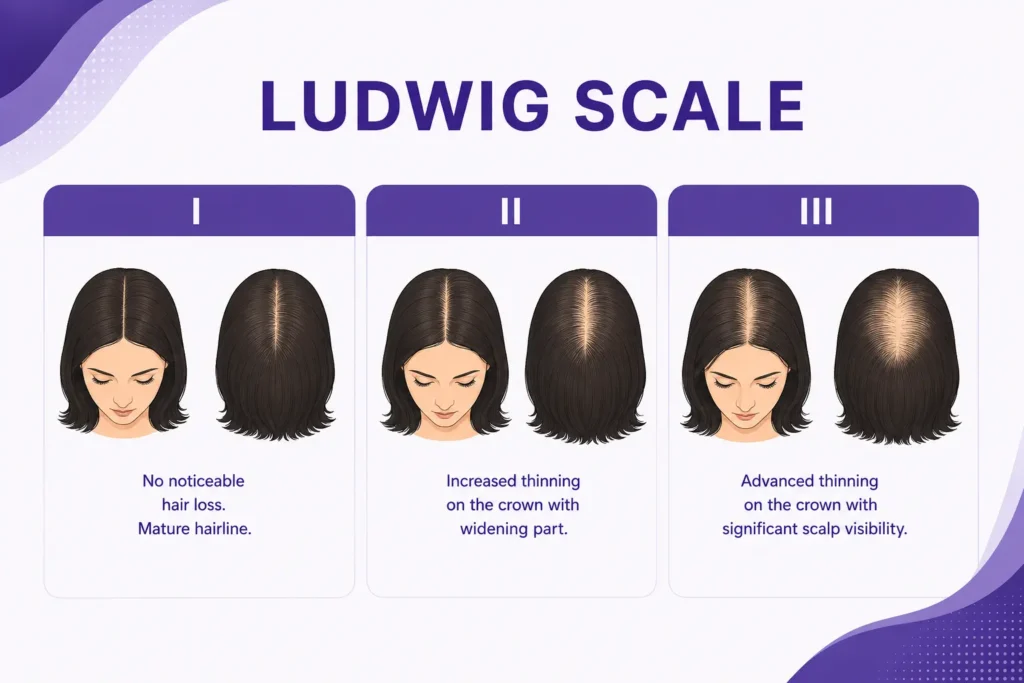
In women, genetic hair loss usually appears as:
- Widening of the center partition
- Diffuse thinning across the scalp
- Reduced hair volume without complete baldness
In women, it usually shows up differently classified using the Ludwig scale.
This condition develops gradually because susceptible hair follicles become increasingly sensitive to the hormone DHT (dihydrotestosterone), causing hairs to grow thinner over time.
It’s important to understand that Androgenetic Alopecia is a progressive condition — it doesn’t stay the same, and it doesn’t reverse on its own. That’s exactly why early, consistent management matters more than a one-time fix. We’ll walk through exactly how it’s treated later in this blog.
Not all hair thinning is genetic, though. One of the other major causes we see just as often in clinic has nothing to do with DNA — it’s driven entirely by what’s happening in your body and life right now.
Without treatment, these follicles eventually stop producing healthy hair.
2. Stress-Induced Hair Loss (Telogen Effluvium)
Telogen Effluvium is one of the most common causes of hair fall we see in our OPD — and often one of the most alarming for patients, simply because of how sudden it feels.
Normally, each hair follicle cycles through three phases: a growth phase (anagen), a short transitional phase (catagen), and a resting phase (telogen), after which the hair sheds and a new one begins growing in its place. At any given time, only about 10-15% of your scalp hair is in the resting (telogen) phase — the rest is actively growing.
Telogen Effluvium happens when a significant physical or emotional stressor pushes a much larger percentage of hair follicles into the resting phase all at once. Common triggers include:
- High stress or emotional shock (work pressure, grief, major life events)
- Prolonged fasting or crash dieting — sudden calorie or protein restriction signals the body to conserve resources, and hair growth is one of the first things it deprioritizes
- Poor or disrupted sleep over an extended period
- High fever or illness (including viral infections)
- Sudden weight loss
- Major surgery or physical trauma
Because hair follicles take 2-3 months to move from the resting phase to actually shedding, patients often notice the hair fall weeks after the actual trigger — which makes Telogen Effluvium confusing to diagnose without a proper history. Someone might be shedding heavily in June because of a stressful, sleepless period back in March, with no obvious connection between the two in their mind.
The reassuring part: Telogen Effluvium is usually self-limiting. Once the underlying trigger is identified and resolved — stress managed, sleep normalized, nutrition restored — the hair cycle typically returns to normal within a few months, and shedding gradually stops on its own. In most cases, no aggressive treatment is needed, just addressing the root cause and giving the scalp time to reset.
That said, if Telogen Effluvium becomes chronic (lasting more than 6 months) or overlaps with another underlying condition like a nutrient deficiency or thyroid issue, further evaluation is recommended.
3. Nutritional Deficiencies
Hair follicles are metabolically active tissue — among the fastest-growing cells in the body — which means they’re highly sensitive to nutritional shortfalls. When key vitamins or minerals run low, the body prioritizes essential functions over hair growth, and shedding follows.
The three most common deficiencies we screen for in hair fall patients are:
- Vitamin B12 — essential for red blood cell production and oxygen delivery to hair follicles. Low B12 is especially common in people following vegetarian or vegan diets without proper supplementation, which is relevant for a large portion of our patients here in Nepal.
- Iron — a major cause of hair thinning, particularly in women. Iron is required for follicle cell division; low ferritin (the body’s iron storage marker) can cause hair shedding even before a person becomes clinically anemic.
- Vitamin D — plays a role in creating new hair follicles and cycling existing ones. Deficiency is surprisingly common even in sunny climates due to indoor lifestyles and limited sun exposure.
The good news is that deficiency-related hair fall is one of the most reversible causes. A simple blood panel can identify the specific gap, and correcting it — through diet or supplementation — often leads to visible improvement within a few months.
Many patients begin taking supplements without confirming a deficiency. However, excessive supplementation may not improve hair growth and should only be recommended after proper evaluation.
4. Thyroid Problems
The thyroid gland regulates metabolism throughout the body — including the metabolic activity inside hair follicles. Both an underactive thyroid (hypothyroidism) and an overactive thyroid (hyperthyroidism) can disrupt the hair growth cycle, pushing more follicles into the resting phase and causing diffuse thinning across the scalp.
Thyroid-related hair fall often comes with other subtle signs — fatigue, weight changes, temperature sensitivity, or changes in skin texture — that patients don’t always connect to their hair. A simple thyroid panel (TSH, T3, T4) can confirm or rule this out, and once thyroid levels are corrected, hair typically regrows within a few months.
5. Hormonal Changes
Hormonal fluctuations frequently contribute to thinning hair.
These include:
- Pregnancy
- Childbirth
- Menopause
- Polycystic Ovary Syndrome (PCOS)
During pregnancy, elevated estrogen levels extend the growth phase of hair, which is why many women notice thicker, fuller hair while pregnant. After delivery, estrogen levels drop sharply, and all that “extra” hair that was held in the growth phase shifts into the resting phase at once — leading to a noticeable shedding phase, usually most visible 2-3 months postpartum.
This is essentially a hormone-driven form of Telogen Effluvium, and , it’s typically temporary. Hair growth usually normalizes within 6-12 months as hormone levels stabilize, though nutritional support (iron, B12, protein) can help speed recovery, especially since postpartum nutrient depletion is common. Correcting hormonal imbalance often improves hair growth when combined with appropriate dermatological treatment.
6. Medical Conditions
Hair thinning may also be associated with:
- Chronic anemia
- Lupus
- Diabetes
- Nutritional disorders
- Certain skin diseases affecting the scalp
Anemia — low iron or hemoglobin levels — reduces the amount of oxygen delivered to hair follicles via the bloodstream. Since follicles need a steady oxygen and nutrient supply to sustain the growth phase, chronic anemia can cause follicles to shift prematurely into the resting phase, leading to diffuse thinning over time.
Iron-deficiency anemia is particularly common among women, especially with heavy menstrual cycles or inadequate dietary iron intake. A complete blood count and iron studies can confirm the diagnosis, and correcting the underlying anemia — through diet or supplementation — usually leads to gradual hair regrowth over a few months.
7. Autoimmune Hair Loss
The immune system can sometimes mistakenly attack healthy hair follicles.
One of the most recognized examples is alopecia areata treatment, where patients develop smooth, round patches of hair loss on the scalp or beard.
Early medical intervention often improves recovery and may include steroid injections treatment or other therapies depending on disease severity.
8. Hairstyling and External Damage
Hair care habits also influence long-term hair health.
Repeated exposure to:
- Tight hairstyles
- Heat styling
- Chemical straightening
- Frequent bleaching
- Excessive coloring
may weaken hair shafts and contribute to traction-related hair loss.
Recognizing the Early Signs of Hair Thinning
Many patients seek treatment only after losing a significant amount of hair. Recognizing early warning signs can greatly improve treatment success.
Look for:
- More hair on your pillow
- Increased hair in the shower drain
- Hair collecting on your comb
- Widening center partition
- Visible scalp under bright light
- Reduced ponytail thickness
- Receding temples
- Thinning crown
- Slower hair growth
- Loss of overall hair volume
The earlier these symptoms are evaluated, the more treatment options are available.
When Should You See a Dermatologist?
Occasional hair shedding is normal. However, professional evaluation is recommended if you notice:
- Hair loss lasting longer than three months
- Sudden excessive shedding
- Bald patches
- Scalp itching, redness, or scaling
- Family history of baldness
- Hair thinning after pregnancy that continues beyond several months
- Hair loss associated with other medical symptoms
A dermatologist hair specialist can determine whether the hair loss is temporary, reversible, or progressive. Early intervention often prevents irreversible follicle damage.
How Hair Loss Is Diagnosed
Effective treatment begins with an accurate diagnosis.
Different types of hair loss require different management strategies.
A thorough assessment usually includes:
Detailed Medical History
We evaluate:
- Duration of hair loss
- Pattern of thinning
- Family history
- Medications
- Diet
- Recent illnesses
- Hormonal changes
- Stress levels
- Previous treatments
This information helps narrow the possible causes.
Scalp Examination
A close examination of the scalp allows us to assess:
- Hair density
- Hair shaft quality
- Signs of inflammation
- Scaling
- Scarring
- Miniaturized follicles
These findings guide further investigations.
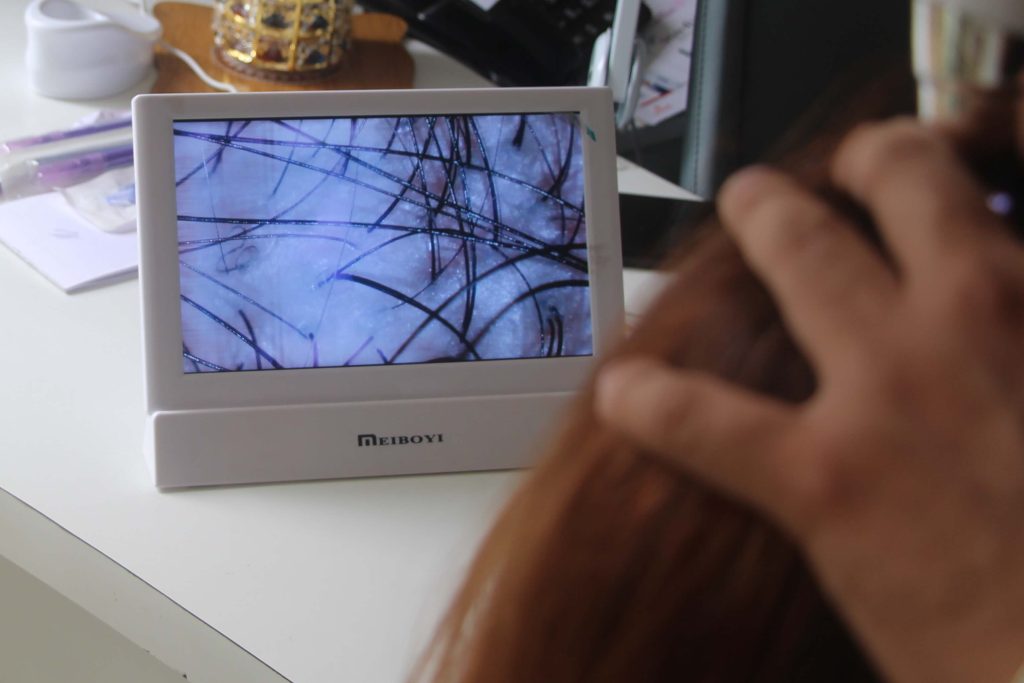
Video Trichoscopy
One of the most valuable modern diagnostic tools is video trichoscopy.
This high-magnification digital examination enables us to visualize:
- Hair follicle health
- Hair shaft diameter
- Miniaturization
- Hair density
- Scalp inflammation
- Early androgenetic alopecia
Video trichoscopy provides objective documentation and allows treatment progress to be monitored over time.
Laboratory Investigations
Blood tests may be recommended depending on individual findings.
These may include:
- Iron studies
- Vitamin D
- Vitamin B12
- Zinc
- Thyroid profile
- Hormonal evaluation
- Complete blood count
Correcting underlying deficiencies improves overall treatment success.
Why Personalized Hair Loss Treatment Matters
There is no universal treatment for hair thinning.
The best outcomes are achieved through a personalized consultation, where treatment is tailored to the individual’s diagnosis, age, hair loss pattern, lifestyle, and long-term goals.
For some patients, medical management of hair loss is sufficient to stabilize shedding and encourage regrowth. Others may benefit from advanced regenerative treatments such as PRP therapy or GFC therapy, while individuals with extensive permanent hair loss may ultimately be candidates for hair restoration surgery using an advanced DHT technique.
Determining the right approach begins with a careful assessment—not just of the hair itself, but also of overall health, scalp condition, and the expected outcome. This individualized strategy helps maximize results while avoiding unnecessary or ineffective treatments.
Hair Loss Treatment Options: What Really Works?
Once the cause of hair thinning has been identified, the next step is choosing the most appropriate treatment. Not every patient requires the same approach. Some benefit from medications alone, while others achieve better results with regenerative procedures or a combination of therapies.
Modern dermatology focuses on preserving existing hair, stimulating dormant follicles, and slowing the progression of hair loss before considering surgical options.
Medical Management of Hair Loss
Medical management of hair loss is often the first line of treatment, particularly when hair follicles are still active. The primary goal is to reduce ongoing shedding, improve hair quality, and encourage new growth.
Treatment plans may include prescription medications, topical therapies, nutritional correction, and regenerative procedures. Consistency is essential, as most treatments require several months before noticeable improvement.
1. Healthy Lifestyle
Lifestyle changes won’t reverse genetic hair loss on their own, but they create the foundation everything else builds on. This includes:
- A balanced diet with adequate protein, iron, and overall nutrition
- Regular exercise to support circulation and hormonal balance
- Consistent, quality sleep — the body repairs and regenerates tissue, including hair follicles, primarily during deep sleep
- Cutting habits that accelerate hair fall, such as smoking, crash dieting, or excessive heat/chemical styling
Think of this as the groundwork — without it, even the best medications and procedures underperform.
Doctor’s Verdict
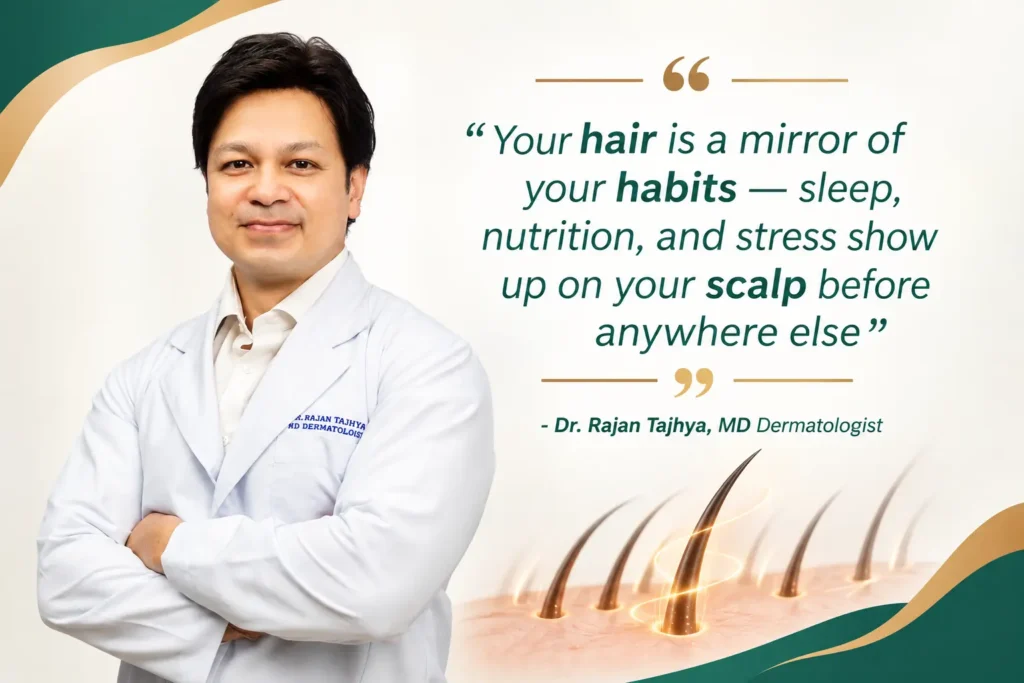
“Hair thinning is rarely just a scalp problem — it’s often a signal from your body. Before we talk about medication, we talk about sleep, food, and stress, because that’s where real, lasting results start.”
– Dr. Rajan Tajhya, MD Dermatologist
2. Minoxidil Therapy
Minoxidil is one of the most widely studied treatments for pattern hair loss and is approved for use in both men and women.
How Minoxidil Works
Minoxidil remains the most widely used topical treatment. Rather than targeting DHT, it works by improving blood flow to the scalp and prolonging the growth (anagen) phase of the hair cycle — encouraging follicles to produce thicker, longer strands over time. It’s often paired with newer supporting ingredients like Procapil and Capixil, which help protect follicles from DHT’s effects at the scalp level and support overall follicle health.
Minoxidil helps prolong the hair growth (anagen) phase and increases blood flow around hair follicles. This allows weakened follicles to produce thicker, healthier hair over time.
Who May Benefit?
Minoxidil is commonly recommended for:
- Male pattern hair loss
- Female pattern hair loss
- Early thinning hair
- Hair loss after certain medical conditions (when appropriate)
What to Expect
Many patients experience temporary increased shedding during the first few weeks. This is often part of the normal hair cycle as older hairs are replaced by new growth.
Visible improvement usually appears after 3 to 6 months of consistent use, with continued benefits over time.
Possible Side Effects
Some individuals may experience:
- Mild scalp irritation
- Dryness
- Itching
- Flaking
Because treatment must be continued to maintain results, stopping Minoxidil may lead to gradual loss of the newly preserved hair.
“Once I start Minoxidil, do I have to use it for life?”
This is one of the most common questions we hear in our clinic — and the honest answer is no, you don’t have to.
Minoxidil doesn’t cure genetic hair loss — it manages it. As long as you’re using it, it keeps stimulating growth and maintaining the density you’ve gained. If you stop, those gains gradually fade over several months, but you won’t end up worse off than before you started. Many patients choose to continue long-term simply because it’s working well for them. Others eventually transition to more permanent solutions, like a hair transplant, and use Minoxidil as a bridge in the meantime.
3. Finasteride/Dutasteride Therapy (Oral Medication)
Finasteride is a prescription medication commonly used for men with androgenetic alopecia. For Androgenetic Alopecia, two medications form the backbone of treatment: Finasteride and Dutasteride. Both work by blocking the enzyme (5-alpha reductase) that converts testosterone into DHT — the hormone directly responsible for shrinking genetically sensitive hair follicles. By reducing DHT levels at the source, these medications slow further miniaturization and, in many patients, allow existing thinning hair to thicken over 6-12 months.
How It Works
Finasteride reduces the production of dihydrotestosterone (DHT), the hormone responsible for shrinking genetically sensitive hair follicles.
Lower DHT levels help slow hair loss and, in many cases, promote thicker hair growth.
Who Is It Suitable For?
Finasteride is generally prescribed for adult men with pattern hair loss. Its use in women is limited and depends on age, hormonal status, and clinical judgment.
Treatment Expectations
Hair shedding usually stabilizes within several months, while visible improvement may take 6 to 12 months.
Regular follow-up is important to monitor progress and discuss any concerns regarding side effects.
4. PRP Therapy for Hair Loss (Clinic-Based Treatments)
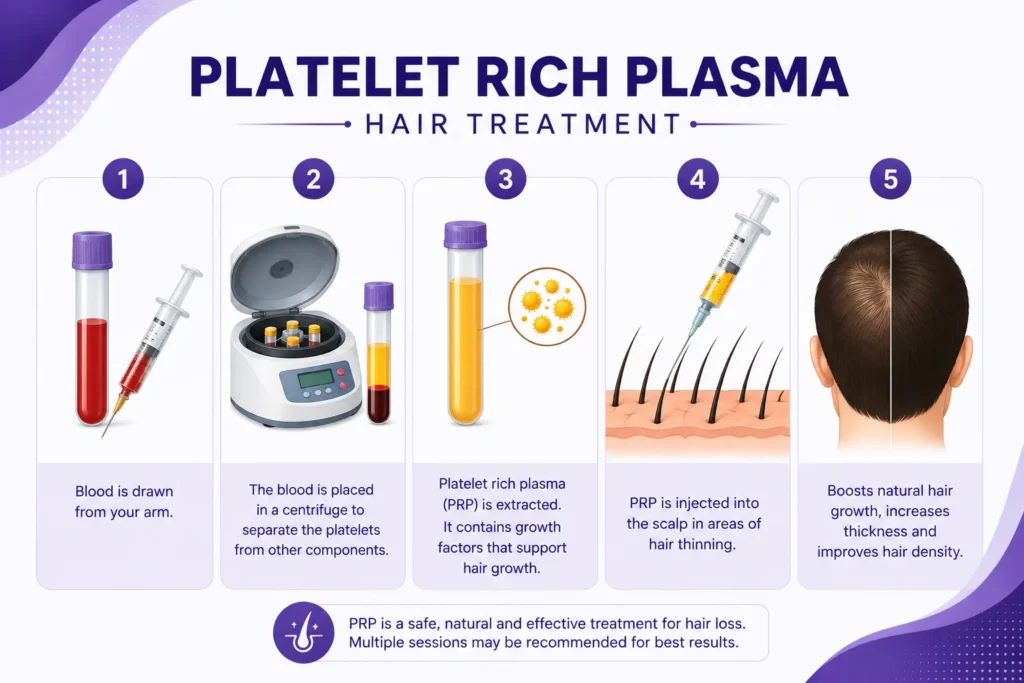
One of the most popular non-surgical hair loss treatment options is PRP therapy, also known as platelet-rich plasma therapy.
PRP uses the patient’s own blood to concentrate growth factors that naturally promote tissue healing and hair follicle activity.
How PRP Therapy Works
The procedure involves three basic steps:
- A small amount of blood is drawn.
- The blood is processed to concentrate platelets.
- The platelet-rich plasma is injected into areas of thinning hair.
The growth factors released by platelets help improve the environment around weakened follicles and may stimulate thicker hair growth.
Who Is a Good Candidate?
PRP therapy is commonly recommended for:
- Early androgenetic alopecia
- Diffuse hair thinning
- Hair shedding after illness
- Patients wishing to avoid surgery
- Individuals seeking combination therapy with medications
PRP is generally most effective when hair follicles are still alive.
Benefits of PRP Therapy
Potential advantages include:
- Uses the patient’s own blood
- Minimally invasive
- No surgical incision
- Short recovery time
- Can be combined with medications
- Helps improve hair thickness and density
Results vary depending on age, genetics, and the stage of hair loss.
5. GFC Therapy for Hair Regrowth (Clinic-Based Treatment)
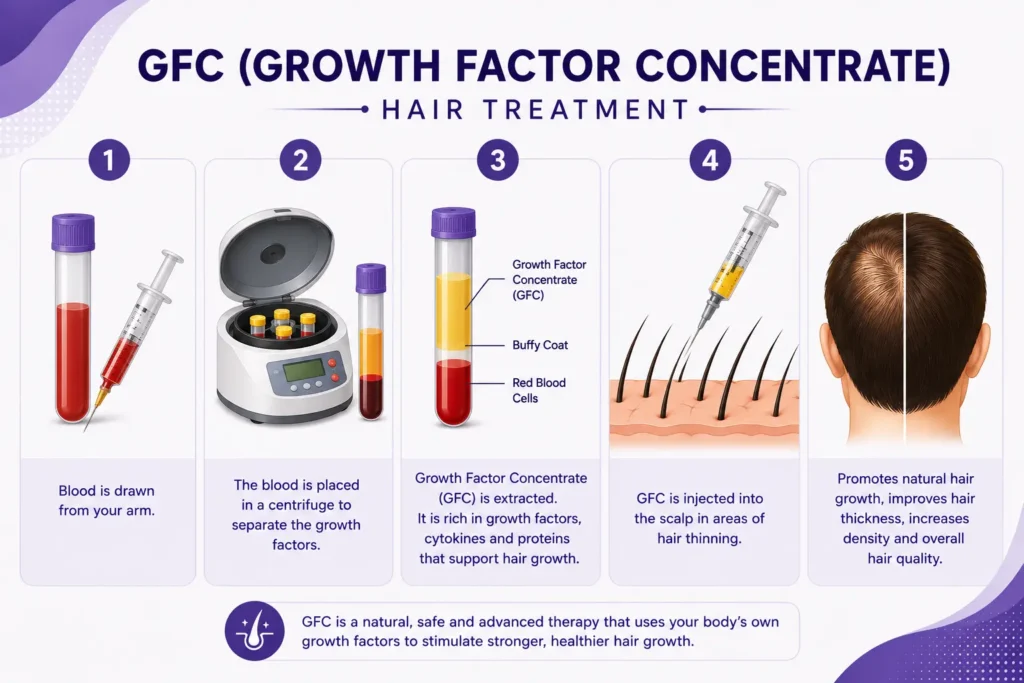
GFC therapy (Growth Factor Concentrate) is an advanced regenerative treatment that has gained popularity in recent years.
Like PRP, GFC uses growth factors derived from the patient’s own blood, but these growth factors are processed differently to provide a highly concentrated preparation.
How GFC Therapy Works
Growth factors are proteins that play an important role in cell repair and tissue regeneration.
When injected into the scalp, these growth factors may:
- Stimulate dormant follicles
- Improve scalp health
- Encourage stronger hair growth
- Reduce ongoing shedding
Many patients choose GFC therapy because it requires fewer treatment sessions compared with conventional PRP protocols.
PRP Therapy vs GFC Therapy
Both treatments aim to stimulate hair follicles naturally, but they differ in processing methods.
| Feature | PRP Therapy | GFC Therapy |
| Source | Patient’s own blood | Patient’s own blood |
| Main Component | Platelet-rich plasma | Concentrated growth factors |
| Treatment Goal | Hair stimulation | Hair stimulation and follicle support |
| Downtime | Minimal | Minimal |
| Suitable for | Early hair thinning | Early to moderate thinning |
The most suitable option depends on the patient’s diagnosis and clinical assessment.
6. Exosomes
One of the newer non-surgical approaches being explored for hair loss is exosome therapy. Exosomes are microscopic extracellular vesicles that contain signaling molecules involved in cell-to-cell communication and tissue repair.
In hair treatment, exosome-based products are used with the aim of supporting the scalp environment and promoting healthier hair follicle activity.
How Exosome Therapy Works
The procedure generally involves two basic steps:
- The scalp is prepared and cleansed.
- A purified exosome-based preparation is applied or delivered to areas of thinning hair, depending on the treatment protocol.
The signaling molecules present in exosomes may help support communication between cells and create a more favorable environment for weakened hair follicles.
Benefits of Exosome Therapy
Potential advantages include:
• Non-surgical treatment approach
• Minimally invasive
• May support scalp and follicle health
• Can be combined with other hair loss treatments
• Little to no downtime
• May help improve hair thickness and density
Results can vary depending on the cause and stage of hair loss, the condition of the hair follicles, and the treatment protocol used. Exosome-based hair treatments are an evolving area of regenerative dermatology.
7. Mesotherapy
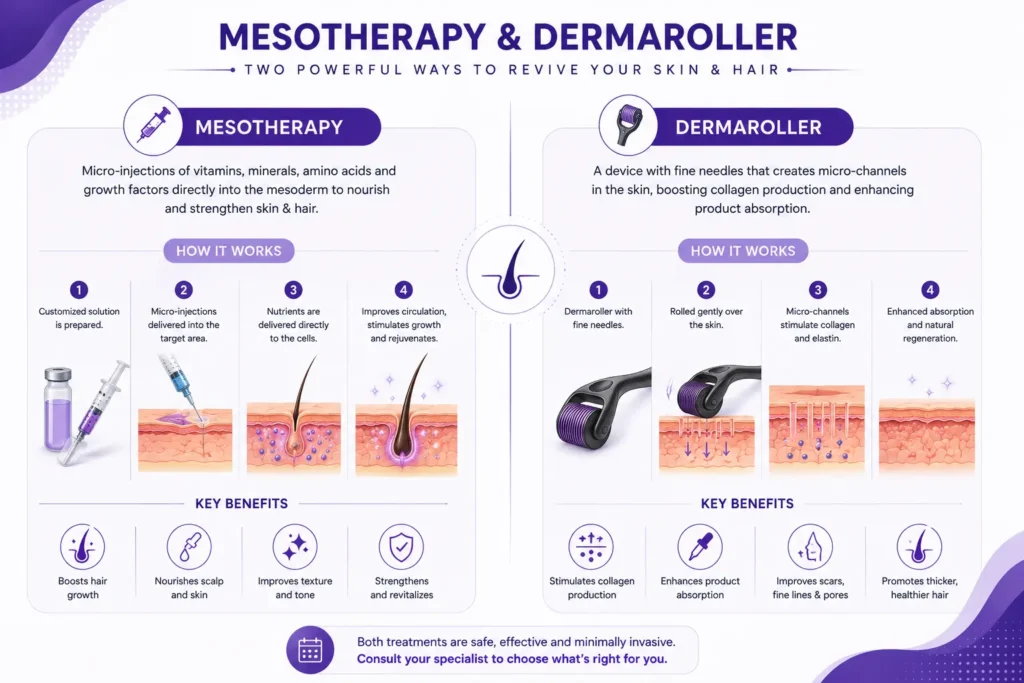
Mesotherapy is a minimally invasive hair treatment in which selected substances are delivered into the scalp through multiple small injections. The treatment is designed to deliver active ingredients directly to areas affected by hair thinning.
The substances used may vary depending on the patient’s condition and treatment plan and can include vitamins, minerals, amino acids, or other therapeutic formulations.
How Mesotherapy Works
The procedure generally involves three basic steps:
- The scalp is cleansed and prepared.
- A series of small injections are placed into areas of hair thinning.
- The selected formulation is delivered into the scalp at a controlled depth.
The treatment aims to improve the local scalp environment and provide targeted delivery of selected ingredients around areas of hair thinning.
Benefits of Mesotherapy
Potential advantages include:
• Minimally invasive
• Targeted delivery to the scalp
• No surgical incision
• Short recovery time
• Can be tailored to individual needs
• May be combined with other hair loss treatments
Results vary depending on the underlying cause of hair loss, the formulation used, and the condition of the hair follicles.
8. Microneedling (Derma Roller/ Derma Stamp)
Microneedling is a minimally invasive treatment that uses very fine needles to create controlled micro-injuries in the scalp. It may help stimulate the body’s natural healing response and can also enhance the delivery of certain topical treatments.
Two commonly used devices are the derma roller and derma stamp, which differ mainly in their method of applying the needles to the scalp.
How Microneedling Works
The procedure generally involves three basic steps:
- The scalp is cleansed and prepared.
- A derma roller or derma stamp is used to create controlled microchannels in the scalp.
- Depending on the treatment plan, a topical or other therapeutic preparation may be applied.
The controlled micro-injuries may stimulate local healing responses and growth-factor activity, potentially supporting the environment around hair follicles.
Benefits of Microneedling
Potential advantages include:
• Minimally invasive
• No surgical incision
• Controlled treatment depth
• May stimulate the scalp’s natural healing response
• May enhance topical treatment delivery
• Can be combined with PRP or other hair loss treatments
Microneedling is generally considered more suitable when viable hair follicles are still present. Results vary depending on the cause and stage of hair loss, treatment protocol, and individual response.
9. Emerging Treatments
Hair loss research continues to move quickly, with several new medications currently in clinical trials showing promising early results.
a. Extended-Release Oral Minoxidil (VDPHL01)
VDPHL01 is an investigational extended-release formulation of oral minoxidil being developed specifically for pattern hair loss. Unlike conventional immediate-release oral minoxidil, the formulation is designed to release minoxidil gradually over time, with the goal of providing more sustained exposure while potentially reducing peak-related systemic effects. Recent Phase 2/3 data have demonstrated significant improvements in hair counts in men with pattern hair loss, while studies in women have also reported encouraging results.
The treatment is currently undergoing clinical development and is not yet an approved treatment for hair loss. Its potential advantages include convenient oral administration and sustained drug delivery. As with oral minoxidil generally, possible systemic effects such as fluid retention, increased facial/body hair, changes in blood pressure, or cardiovascular effects remain important considerations and require medical supervision.
b. PP405 Ointment
PP405 is an investigational topical treatment being developed for androgenetic alopecia. It works through a different approach from conventional hair-growth medications, targeting metabolic pathways in hair follicle stem cells with the aim of reactivating dormant follicular stem cells and stimulating new hair growth. Early clinical studies have reported evidence of new terminal hair growth from previously dormant follicular units.
PP405 is still in clinical development and is not currently an approved hair-loss treatment. Its potential significance lies in its regenerative approach, which aims not only to slow hair loss but also to reactivate follicles that have become dormant. Further clinical trials are required to establish its long-term safety, effectiveness, appropriate dosing, and place in routine hair-loss treatment.
c. Clascoterone
Clascoterone is a topical anti-androgen being investigated for androgenetic alopecia. It works by blocking androgen activity locally at the hair follicle, targeting one of the key hormonal pathways involved in pattern hair loss. Unlike systemic anti-androgen treatments, its topical formulation is designed to act primarily at the site of application.
Phase III studies have reported statistically significant improvements in hair growth in men with androgenetic alopecia, with continued hair growth observed with ongoing treatment through 12 months. Regulatory submissions are being prepared, but clascoterone for hair loss is not yet an approved treatment as of 2026.
d. Stem Cell Therapy for Hair Loss
Stem cell hair therapy begins with a quick punch biopsy, where a specialized circular tool extracts a small tissue sample from the scalp. This sample is then treated with collagenase—an enzyme that breaks down surrounding tissue—and spun in a centrifuge so technicians can isolate and identify viable stem cells under a microscope. Once prepared, the concentrated stem cell solution is injected directly into areas experiencing hair loss, designed to encourage growth at both the harvest and treatment sites.
While the science is promising, stem cell hair transplants are currently experimental and still in the research phase. Scientists are actively studying their effectiveness for conditions like male pattern baldness and alopecia, while also testing how stem cells can help awaken dormant follicles to restore natural hair growth.
10. Steroid Injections Treatment for Alopecia Areata
Not all hair loss is caused by genetics.
Patients with alopecia areata treatment often require a completely different approach because this condition is autoimmune in nature.
The immune system mistakenly attacks healthy hair follicles, leading to smooth, circular patches of hair loss.
How Steroid Injections Work
Steroid injections treatment reduces inflammation around the affected follicles.
By suppressing the immune response locally, hair follicles often regain their ability to produce new hair.
Several treatment sessions may be required depending on:
- Number of patches
- Duration of disease
- Response to therapy
Many patients experience encouraging regrowth when treatment begins early.
11. Nutritional Support for Healthy Hair
Hair growth depends on overall health.
When deficiencies are identified, correcting them becomes an important part of treatment.
Nutrients commonly associated with healthy hair include:
- Iron
- Zinc
- Vitamin D
- Vitamin B12
- Protein
- Folate
It is important to note that supplements should only be taken when medically indicated. Taking excessive vitamins without a confirmed deficiency is unlikely to improve hair growth and may even be harmful.
Monitoring Progress During Treatment
Hair growth is a gradual process. Most patients should not expect immediate improvement.
Regular follow-up appointments allow us to assess:
- Reduction in daily hair shedding
- Changes in hair density
- Improvement in hair shaft thickness
- Scalp health
- Response to medications or procedures
Repeat video trichoscopy can provide objective comparisons over time, helping us measure treatment effectiveness and make adjustments when necessary.
When Non-Surgical Treatments May Not Be Enough
Although medical management of hair loss, PRP therapy, GFC therapy, and other non-surgical hair loss treatment options can significantly improve hair density and slow progression, they cannot restore hair follicles that have been permanently lost.
Patients with advanced baldness, long-standing androgenetic alopecia, or extensive areas of permanent hair loss may achieve the best cosmetic results through hair restoration surgery. Careful donor area assessment, realistic planning, and natural hairline design are essential to achieving long-lasting, natural-looking outcomes.
Non-Surgical Hair Loss Treatment Options
Not everyone experiencing hair thinning requires hair restoration surgery. Many patients respond well to non-surgical hair loss treatment, particularly when intervention begins early. After identifying the cause of hair loss, we develop an individualized treatment plan designed to preserve existing hair, stimulate dormant follicles, and improve overall scalp health.
PRP Therapy (Platelet-Rich Plasma Therapy)
PRP therapy, also known as platelet-rich plasma therapy, is one of the most established regenerative treatments for hair loss. A small amount of your blood is processed to concentrate growth factors, which are then injected into the scalp.
Potential benefits include:
- Stimulating inactive hair follicles
- Improving hair thickness and density
- Reducing ongoing hair shedding
- Enhancing healing after DHT hair transplant procedures
- Supporting long-term hair maintenance
PRP is commonly recommended for patients with early to moderate androgenetic alopecia and is often combined with medications or other regenerative therapies for enhanced outcomes.
GFC Therapy
GFC therapy (Growth Factor Concentrate) is an advanced regenerative treatment that isolates concentrated growth factors from your blood while removing many inflammatory components.
Compared with traditional PRP, GFC therapy may provide:
- Higher concentrations of beneficial growth factors
- Reduced inflammation
- Improved follicle stimulation
- Minimal downtime
- Comfortable treatment sessions
Many patients with early hair thinning choose GFC therapy as part of a comprehensive thinning hair treatment strategy.
Medical Management of Hair Loss
Successful treatment often combines procedures with evidence-based medications.
Our medical management of hair loss may include:
- Topical medications
- Oral medications where appropriate
- Nutritional assessment
- Correction of vitamin or mineral deficiencies
- Hormonal evaluation when indicated
- Lifestyle modifications that support healthy hair growth
Treatment recommendations always depend on the patient’s diagnosis, age, medical history, and treatment goals.
Alopecia Areata Treatment
Alopecia areata treatment differs significantly from treatment for hereditary hair loss because it is an autoimmune condition rather than a genetic pattern of balding.
Depending on severity, management may include:
- Steroid injections treatment
- Topical medications
- Oral therapies when indicated
- Immune-modulating treatments
- Close follow-up to monitor regrowth
Early intervention often improves outcomes and reduces the risk of progression.
Hair Transplant/ Hair Restoration Surgery: Is It Right for You?
When hair follicles have permanently stopped producing hair, medications alone may no longer provide satisfactory improvement. In these situations, hair restoration surgery offers a permanent solution by relocating healthy follicles from the donor area to thinning or bald regions.
Ideal candidates generally:
- Have stable hair loss
- Possess adequate donor hair
- Are in good overall health
- Have realistic expectations
- Understand that transplantation restores density but does not stop future hair loss
For many patients, surgery combined with PRP therapy, GFC therapy, and ongoing medical treatment delivers the most natural and long-lasting results.
Maintaining Hair Growth After Treatment
Long-term success depends on maintaining both transplanted and existing hair.
We typically recommend:
- Following prescribed medications consistently
- Attending scheduled follow-up visits
- Maintaining a protein-rich, balanced diet
- Correcting iron or vitamin deficiencies when present
- Managing stress effectively
- Avoiding smoking
- Using gentle hair-care practices
- Treating dandruff or scalp conditions promptly
Hair restoration is a continuous journey rather than a one-time event. Ongoing care helps preserve results for years to come.
Why Early Diagnosis Makes a Difference
One of the biggest misconceptions is waiting until significant baldness develops before seeking help. In reality, the earlier hair loss is evaluated, the more treatment options remain available.
With timely diagnosis, we can often:
- Slow or stop progressive hair loss
- Preserve healthy follicles
- Reduce the need for extensive surgery
- Improve treatment response
- Achieve more natural cosmetic outcomes
Whether you need hair loss treatment Kathmandu, regenerative therapies, or a hair transplant Nepal, early assessment provides the greatest opportunity for successful long-term results.