PDRN Microneedling combines the precision of dermapen microneedling with the regenerative power of PDRN (Polynucleotide) — one of the most advanced skin repair actives available in aesthetic medicine today. At Akarshan Skin & Hair Clinic in Kathmandu, PDRN microneedling delivers deep cellular renewal, collagen synthesis, and visible anti-aging results at NRS 15,000 per session.
What Is PDRN?
PDRN stands for Polydeoxyribonucleotide — a regenerative biomolecule derived from purified salmon (Oncorhynchus mykiss) sperm DNA. Despite its origin, PDRN is highly biocompatible with human tissue due to the structural similarity between salmon and human DNA sequences.
PDRN works at the cellular level through two key mechanisms:
- Salvage pathway activation — PDRN provides nucleotide building blocks that cells use to repair damaged DNA and synthesize new proteins, accelerating tissue regeneration at a fundamental level.
- A2A receptor stimulation — PDRN activates adenosine A2A receptors, which trigger increased production of growth factors — particularly VEGF (vascular endothelial growth factor) — stimulating new blood vessel formation, collagen synthesis, and tissue repair.
The result is powerful cellular-level skin regeneration that goes beyond the surface — restoring the skin’s structural integrity from within.
What Is PDRN Microneedling?
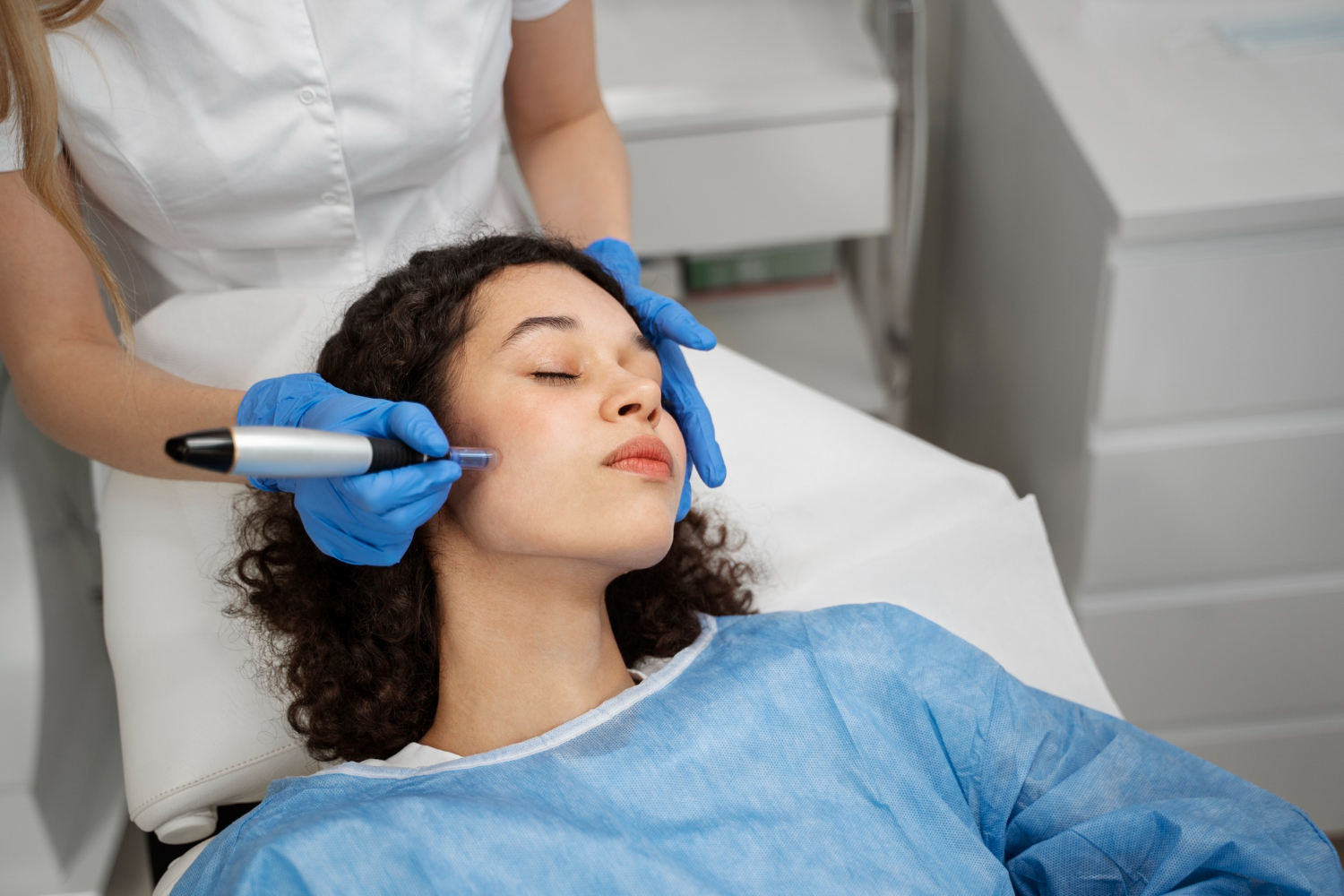
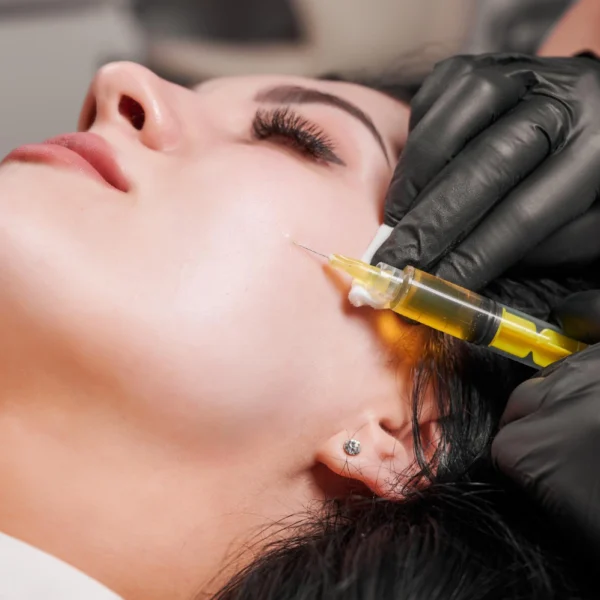
PDRN Microneedling combines the dermapen device with PDRN solution delivery. The dermapen creates thousands of precise micro-channels in the skin at a controlled depth. Immediately after needling, the PDRN solution is applied and drawn deeply into the dermis through these micro-channels — bypassing the skin’s natural barrier and delivering the active polynucleotide exactly where it needs to work.
This combination dramatically enhances the efficacy of PDRN compared to topical application alone, while the microneedling’s own collagen stimulation synergizes with PDRN’s tissue regeneration for a compound rejuvenating effect.
Who Is It Best For?
- Patients in their 30s–50s experiencing fine lines, skin laxity, or early aging
- Those with sensitive, reactive, or rosacea-prone skin seeking a gentle yet effective rejuvenation
- Anyone recovering from laser, chemical peel, or surgical skin procedures
- Patients with mild to moderate acne scars or textural irregularities
- Individuals with dull, dehydrated, or fatigued skin lacking radiance
- Those wanting a scientifically advanced alternative to PRP with no blood draw required
- All skin types and tones — PDRN is safe for darker South Asian skin
Pre- and Post-Procedure Care
Before Your Session
- Avoid sun exposure and tanning for at least 1 week before treatment
- Discontinue retinoids and exfoliating acids (AHA/BHA) 5–7 days before
- Do not treat areas with active breakouts, infections, or open wounds
- Arrive with clean, makeup-free skin
After Your Session
- Apply only gentle, doctor-recommended moisturizer and SPF for the first 3–5 days
- Avoid makeup for 24–48 hours post-treatment
- Do not pick, scratch, or exfoliate the healing skin
- Avoid strenuous exercise, saunas, and steam for 48 hours
- Use SPF 30+ sunscreen daily throughout the treatment course
- Avoid retinoids and AHA/BHA acids for 1 week after each session
Results You Can Expect
After a PDRN microneedling session, mild redness and slight sensitivity are normal for 1–2 days. The skin begins to feel firmer and look more radiant within 1–2 weeks as the repair cascade activates. Significant collagen remodeling and elasticity improvement develop over 4–8 weeks following each session.
Optimal results are achieved with a course of 3–4 sessions spaced 4 to 6 weeks apart. Improvements continue to build between sessions as PDRN’s tissue regeneration progresses. Many patients notice progressive improvement in skin firmness, hydration, and tone with each session.
What Does PDRN Microneedling Treat?
Anti-Aging and Skin Elasticity
PDRN stimulates fibroblasts to produce new collagen and elastin, restoring the skin’s structural proteins that decline with age. The result is visibly firmer, more elastic skin with reduced fine lines and a smoother surface texture. It is particularly effective for patients experiencing early-to-moderate aging with skin laxity, fine lines, and loss of plumpness.
Sensitive and Reactive Skin
Unlike some actives that can irritate sensitive skin, PDRN has strong anti-inflammatory properties — it reduces inflammatory cytokines at the treatment site and calms reactive skin. This makes PDRN microneedling one of the safest and most suitable rejuvenation protocols for patients with sensitive, rosacea-prone, or post-procedure reactive skin.
Skin Repair and Post-Procedure Recovery
PDRN accelerates tissue repair and wound healing, making it an excellent post-procedure treatment after laser, chemical peel, or surgical skin procedures. It promotes faster recovery, reduces post-treatment redness and irritation, and supports optimal healing of the skin barrier.
Acne Scars and Textural Irregularities
By stimulating collagen neogenesis and activating growth factor pathways at the scar site, PDRN microneedling progressively fills and improves the appearance of atrophic acne scars, surface irregularities, and textural concerns.
Dull, Dehydrated, and Fatigued Skin
PDRN’s ability to promote new blood vessel formation (via VEGF stimulation) improves microcirculation in the treated area, delivering more oxygen and nutrients to skin cells. This translates into noticeably improved skin radiance, hydration, and vitality.
Fine Lines and Early Wrinkles
Consistent PDRN microneedling sessions progressively reduce the depth and visibility of fine lines — particularly around the eyes, mouth, and forehead — through collagen and elastin replenishment in the dermal layer.
What to Expect During Your Session
- Consultation — Our dermatologist assesses your skin concern, condition, and goals and confirms PDRN microneedling as the most appropriate protocol for your skin.
- Preparation — The face is cleansed thoroughly. A topical numbing cream is applied for 20 to 30 minutes for a comfortable, pain-free experience.
- Microneedling — The dermapen device is passed over the treatment area at the appropriate depth, creating micro-channels for deep PDRN delivery.
- PDRN application — The PDRN solution is applied immediately after needling and absorbed deeply through the micro-channels into the dermis where it begins its regenerative work.
- Post-care — A soothing serum and SPF are applied. You receive detailed aftercare instructions for the days following your session.
Session duration: 45–60 minutes. Downtime: Mild redness for 1–2 days. Most patients resume normal activities the same day or the next.
PDRN Microneedling Price in Nepal
Treatment | Price (NRS) |
PDRN Microneedling — per session | NRS 15,000 |
Frequently Asked Questions — PDRN Microneedling Nepal
PDRN (Polydeoxyribonucleotide) is a regenerative biomolecule derived from purified salmon DNA. It works at a cellular level by activating tissue repair pathways and stimulating growth factor production, leading to new collagen synthesis, improved skin elasticity, and deep skin regeneration.
Yes. PDRN is a well-studied, clinically validated ingredient widely used in regenerative medicine in Asia and Europe. It is biocompatible with human tissue, has strong anti-inflammatory properties, and has a very low risk of adverse reactions. It is suitable for all skin types including sensitive skin.
A course of 3 to 4 sessions spaced 4 to 6 weeks apart is recommended for optimal results. Improvements build progressively between sessions as the tissue regeneration process continues.
PRP uses growth factors from the patient’s own blood to stimulate healing. PDRN is a pharmaceutical polynucleotide that works at the DNA level — stimulating A2A receptors and providing nucleotide building blocks for cellular repair. PDRN requires no blood draw, has stronger anti-inflammatory effects, and is particularly suited for sensitive skin and deep anti-aging concerns.
PDRN works at the DNA and receptor level to stimulate collagen synthesis and tissue repair — best for anti-aging, elasticity, and sensitive skin (NRS 15,000 per session). Exosomes carry a rich cargo of growth factors, mRNA, and cytokines from stem cells — best for skin rejuvenation, post-acne repair, and overall glow (NRS 10,000 per session). Both are advanced regenerative protocols; our doctors will recommend the right one based on your concern.
PDRN microneedling at Akarshan Skin & Hair Clinic is priced at NRS 15,000 per session. Please contact us or book a free consultation for a personalized session plan.
Discomfort is minimal. A topical numbing cream is applied 20 to 30 minutes before the session. Most patients describe the sensation as a mild vibrating pressure. There is no blood draw involved.
Yes. PDRN microneedling can be combined with MNRF, chemical peels, exosome therapy, and GFC as part of a comprehensive skin rejuvenation or scar management protocol. Our doctors will design the most effective combination plan for your skin goals.
Take the first step toward better health by scheduling your appointment today. Whether you’re a new patient or returning, our quick and secure booking form makes it easy to find a time that works for you.

If you have general questions about our services, doctors, or clinic policies, feel free to reach out via email and Call us directly.
Patient & Appointment Enquiries
+977-9813994443